
What Makes a Disposable Vape Last Longer
Two disposables can look almost identical and still last wildly different amounts of time. The gap comes down to a handful of design choices that most packaging never explains clearly. How much e-liquid the device holds, how it handles power, how efficiently it turns that liquid into vapor, and how you personally draw on it all feed into the final number. The RAZ RYL Classic 35K is a useful reference point because it pushes several of these levers at once, reaching a rating of up to 35,000 puffs from a 16.5 mL tank. This guide breaks down each factor so you can read a spec sheet and understand why one device outlasts another instead of trusting the headline puff count alone.
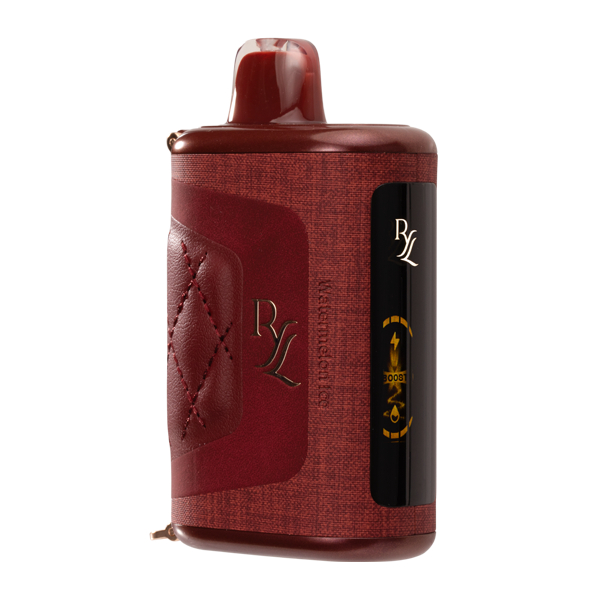
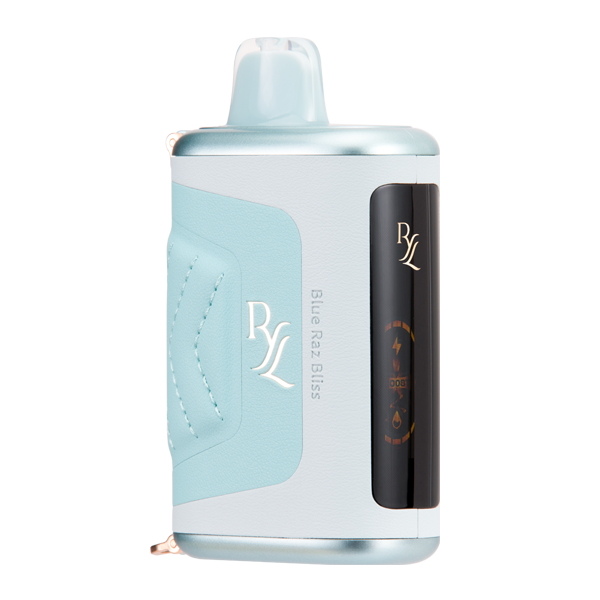
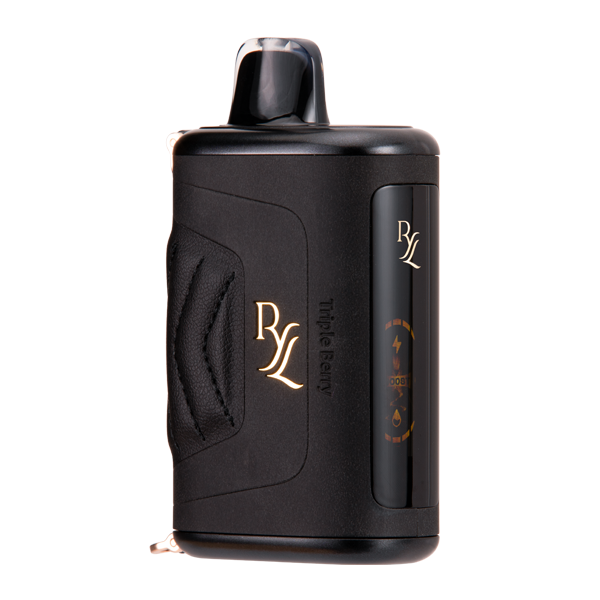
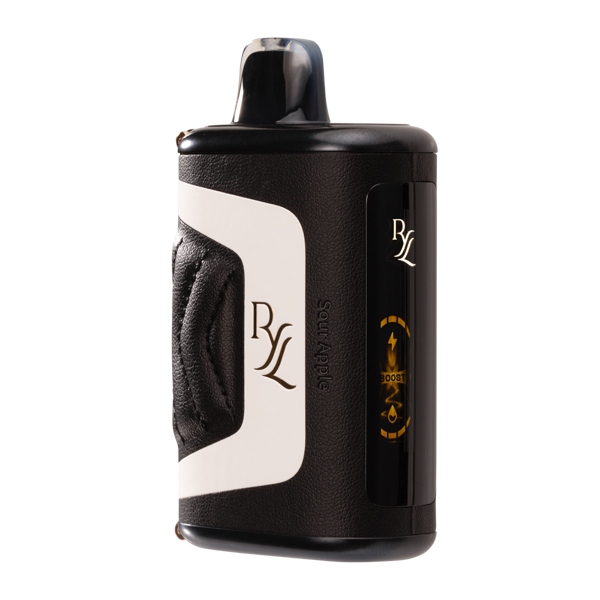
RYL Classic 35K Specs
E-liquid volume sets the ceiling
The single biggest factor in how long a disposable lasts is how much e-liquid it starts with, because once the liquid is gone the device is done. Everything else adjusts how efficiently that volume gets used, but the tank sets the ceiling. Entry-level bars often hold 8 to 13 mL, while the high-capacity tier climbs higher. The RYL Classic 35K carries 16.5 mL, which is a large reservoir for a device this size and the main reason its puff rating reaches into the tens of thousands. It helps to think of the tank as a fuel gauge. A bigger tank means more total vaping before empty, regardless of how the rest of the device is tuned. That is also why puff ratings and milliliters tend to rise together on the same product page, since one is largely a function of the other. When you compare two disposables, the e-liquid volume is the first number to check, because a small tank cannot last a long time no matter how efficient the rest of the design is. The 35,000 puff vape hub collects the highest-capacity options in one place.
Battery and recharging remove the bottleneck
A large tank is useless if the battery gives out first, which is exactly what happened with early large-format disposables. A fixed battery can only push so many puffs, and on a device holding 16.5 mL that battery would die with liquid still in the tank. Recharging solves the mismatch. The RYL uses a USB-C port, so when the battery runs low you plug it in and keep going until the e-liquid is actually gone. That is the difference between a rated capacity you can reach and one that exists only on paper. Without recharging, a device is limited by whichever runs out first, and on big tanks that is almost always the battery. With a rechargeable design, the tank becomes the true limit again, which is where the long puff ratings come from. This is why nearly every high-capacity disposable now includes a charging port, and why the feature is worth checking before you buy. Our piece on rechargeable versus non-rechargeable disposables goes deeper on why the two are linked.
Coil efficiency stretches every milliliter
How the device turns liquid into vapor decides how far each milliliter goes. The heating element, or coil, does that work, and its design affects both flavor and consumption. The RYL uses a dual mesh coil, a style that spreads heat across a wider surface than a single simple coil. A more even heat tends to vaporize liquid consistently rather than burning through it in uneven bursts, which helps a large tank last closer to its rating. Airflow plays into this too. The RYL has adjustable airflow, and a tighter draw generally uses less liquid per puff than a wide open one, while a looser draw produces more vapor and uses more. None of this changes the size of the tank, but it changes how efficiently you empty it. Two devices with the same 16.5 mL could post different real-world totals purely from coil design and how the airflow is set. Efficiency is the quiet factor that separates a device that meets its rating from one that falls short, and it is worth as much attention as the headline numbers.
Nicotine strength and draw style
The last factor is you. Two people with the same device will empty it at different rates depending on how they vape. Longer, harder draws pull more liquid per puff and drain the tank faster, while short, light draws stretch it out. Nicotine strength feeds into this indirectly. The RYL is a 5 percent, or 50 mg, salt nicotine device, a strength that delivers a firm hit, and a satisfying strength can mean fewer or shorter draws for some users than a weaker device would. Nicotine is addictive, and this is a 21 and older product, so strength is not something to chase casually. The point for longevity is simply that consumption is personal. Manufacturer puff ratings assume a standard draw in lab conditions, so your real total will land above or below the number based on your own habits. If you want to understand what the 50 mg figure actually means, our guide to nicotine strength breaks it down.
Putting the factors together
No single spec makes a disposable last. Longevity comes from stacking a large tank, a battery that can be recharged, an efficient coil, and airflow and habits that do not burn through liquid faster than they need to. The RYL Classic 35K is a clear example of the factors working together. A 16.5 mL tank sets a high ceiling, USB-C charging lets the battery reach it, a dual mesh coil uses the liquid evenly, and adjustable airflow lets you tune consumption to taste. Priced at a single flat price with free US shipping over $60, it packages those choices into one device. When you shop, read past the single puff number and check the tank size, whether it recharges, and the coil style, because those three tell you far more about real longevity than the headline figure alone. A big rating on a small tank with a fixed battery rarely holds up, while a modest-looking number backed by good hardware often outlasts it.