
Understanding 5 Percent Nicotine in Disposables
Nearly every high-capacity disposable lists its nicotine strength as 5 percent, or 50 mg, and the RAZ RYL Classic 35K is no exception. For a lot of shoppers those numbers are just background noise on the box, but they describe exactly how strong each puff is and how the device will feel. The 5 percent figure and the 50 mg figure are two ways of saying the same thing, and understanding them helps you know what you are buying. Nicotine is addictive, and these are products for adults 21 and older only, so strength is worth taking seriously rather than skimming past. This guide explains what the numbers mean, how salt nicotine differs from older formulas, and how strength shapes the experience.
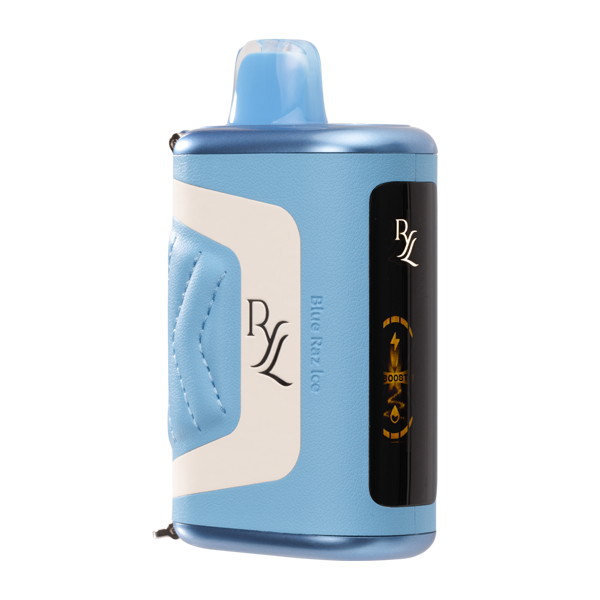
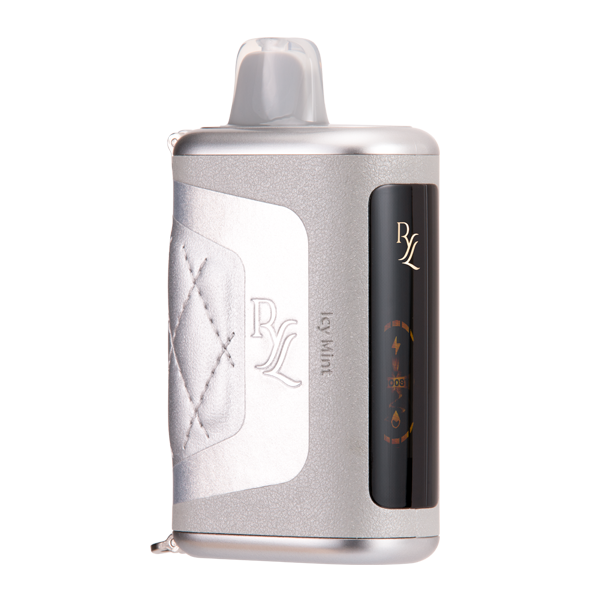
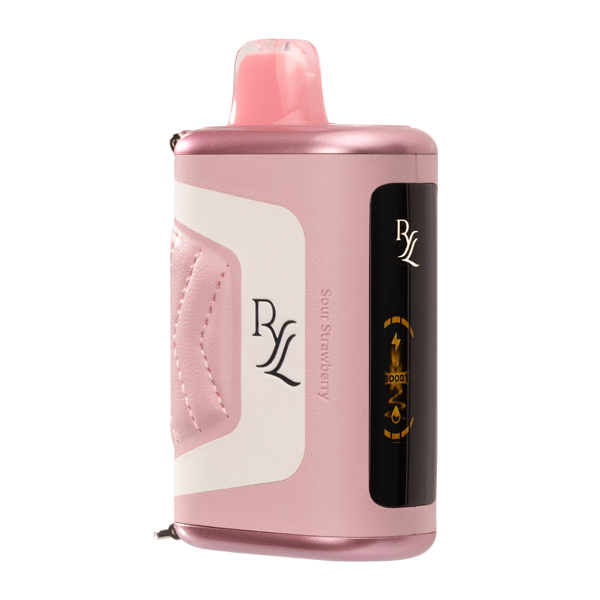
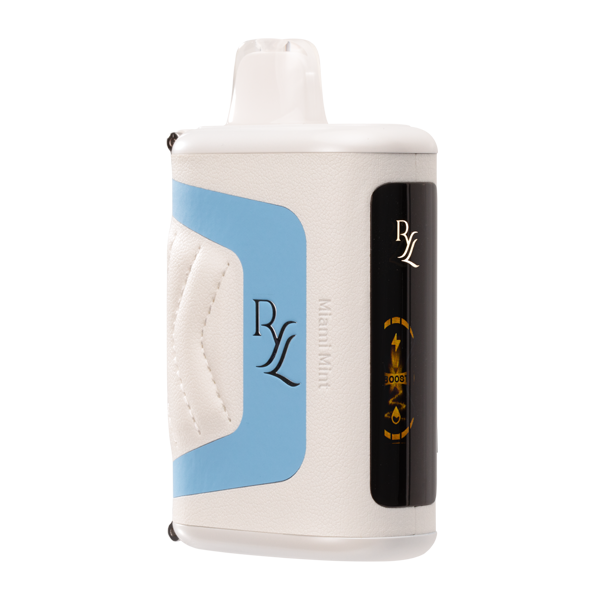
RYL Classic 35K Specs
What 5 percent and 50 mg actually mean
The two figures are the same measurement written differently. 5 percent refers to nicotine as a share of the e-liquid by weight, and 50 mg per milliliter is that same concentration expressed as a quantity. A liquid that is 5 percent nicotine contains about 50 milligrams of nicotine in every milliliter, so a device labeled either way is telling you the same thing. On the RYL Classic 35K, that strength applies across its 16.5 mL tank. The reason 5 percent became the common ceiling in the United States is partly regulatory history and partly market preference, since it delivers a firm hit that many adult users of previous products expect. It is worth knowing that 5 percent sits at the higher end of the disposable range. Lower-strength liquids exist, but the mainstream high-capacity devices cluster at 50 mg. When you see that number, read it as a strong formulation, not a mild one. The store's nicotine strength page states the figure plainly for the RYL line.
Salt nicotine versus freebase
The RYL uses salt nicotine, which matters as much as the percentage. Salt nicotine is a formulation that adds an acid to the nicotine, lowering the harshness of the vapor at high strengths. Older freebase nicotine becomes rough and hard to inhale as the concentration climbs, which capped how strong a smooth device could be. Salt nicotine removes that limit, letting a 50 mg liquid go down more evenly than a freebase liquid at the same strength would. That is why nearly all high-strength disposables now use the salt form. The practical effect is that 5 percent salt nicotine can feel less abrasive than the raw percentage suggests, which is part of why these devices took off. It is not a gentler product in terms of nicotine content, since the strength is identical. It simply changes the texture of the inhale. Knowing the device uses salt nicotine tells you the 50 mg figure was made deliverable through chemistry rather than by watering anything down, and it explains how a strength this high became common in pocket devices.
How strength affects the experience
Strength shapes the hit more than any flavor choice does. At 5 percent, each puff delivers a substantial dose, which registers as the throat sensation and quick satisfaction many adult users associate with a strong device. For someone stepping over from a lower-strength product, 50 mg can feel intense at first, while someone used to high-strength disposables will find it familiar. There is no way to soften the strength on the device itself, since the liquid is prefilled at a fixed concentration, though the adjustable airflow on the RYL changes how much vapor each draw produces and can make the hit feel firmer or looser. The key point is that 5 percent is a deliberate, high strength, not a default to ignore. It is the reason a couple of short draws can feel like enough, and it is central to how the device performs. Because the strength is fixed, choosing a 50 mg device is a decision to make up front, with full awareness that nicotine is addictive.
Strength, consumption, and lifespan
Nicotine strength ties back into how long a device lasts, in an indirect way. A higher strength delivers more nicotine per puff, so some users find they take fewer or shorter draws to feel satisfied than they would on a weaker device. Fewer draws can mean the 16.5 mL tank stretches further, though this varies widely from person to person and is not something to count on. The more reliable factors for lifespan are tank size, recharging, and coil efficiency, with strength playing a smaller, personal role on top. It is worth understanding both together, because consumption is where strength and longevity meet. Someone who chain-draws a strong device will still empty it quickly, while someone who takes measured puffs may find the strength helps them use less. For the full picture of what actually drives a disposable's run time, our guide on what makes a disposable last longer lays out the main levers, with strength as one contributing factor among several.
Choosing responsibly
Because 5 percent is a high strength, choosing one is a decision worth making with clear eyes. These devices are for adults 21 and older, and nicotine is addictive, which is a plain fact rather than a marketing caveat. There is no lower-strength version of the RYL Classic 35K, so if you buy one you are buying 50 mg salt nicotine. That is fine information to have up front rather than after the fact. As an authorized retailer, this store sells the device at one price for every flavor with free US shipping over $60, and it lists the strength openly on every relevant page so nothing about the formulation is hidden. If you want to browse the line by that spec, the 50 mg purse vape hub gathers the options. The responsible summary is simple: know the number, know that it is strong, and know that the nicotine in it is addictive before you decide it is the device for you.